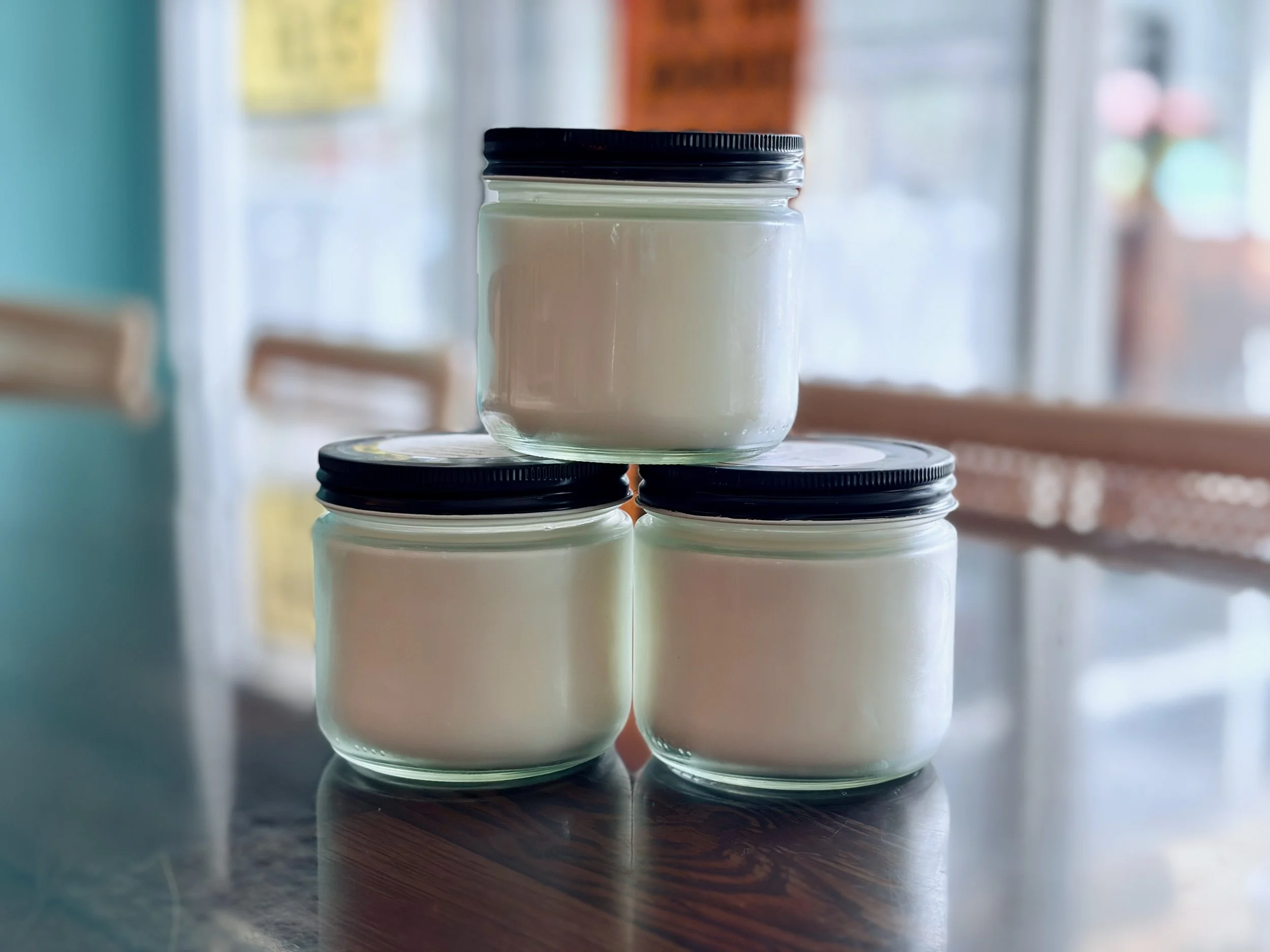
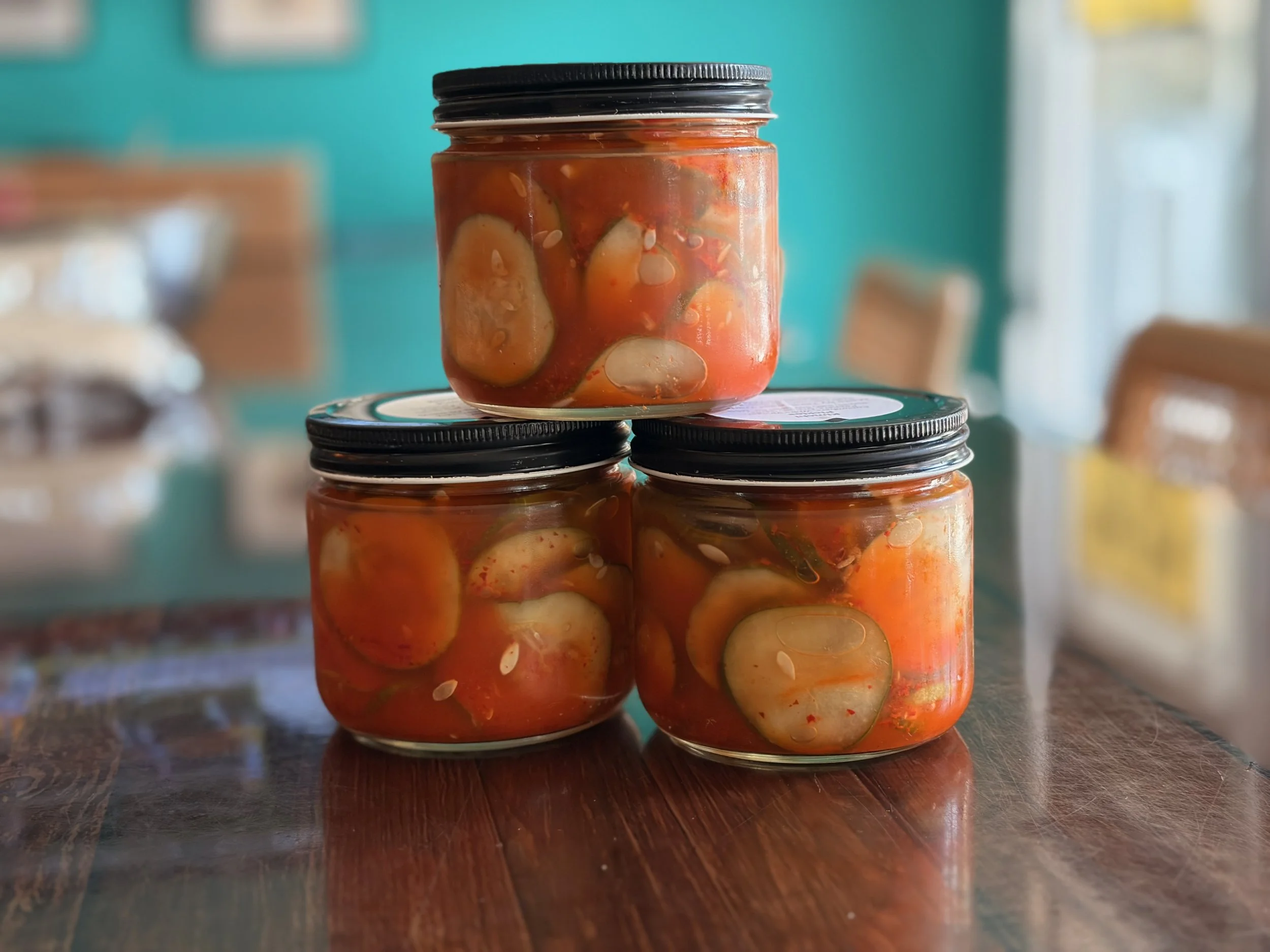
Made in house weekly!
Rendered Angus Kidney Fat
Beef tallow has been used as a cooking fat for centuries, prized for its high smoke point, rich flavor, and long shelf life. In many pre-industrial societies, after the prime cuts were consumed, rendering the suet (hard fat around organs) into tallow provided a versatile, calorie-dense cooking oil and ingredient for frying, roasting, and baking. European and colonial American kitchens relied on tallow for all-purpose cooking and for making pemmican, hardtack, and preserved foods. During the 19th and early 20th centuries, tallow also fueled soap and candle making, further embedding it in everyday life.
Industrialization and the rise of vegetable oils, along with changing health perceptions in the mid-20th century, pushed tallow out of many households and commercial kitchens. In recent years, chefs and home cooks have revived interest in beef tallow for its culinary qualities—crisp frying, deep savory flavor, and naturalness compared with highly processed fats.
Sustainably sourced tallow aligns with nose-to-tail cooking practices and reduces waste by making use of an otherwise discarded animal byproduct, reconnecting modern kitchens with a long culinary tradition.
Made in house weekly!
Rendered Angus Kidney Fat
Beef tallow has been used as a cooking fat for centuries, prized for its high smoke point, rich flavor, and long shelf life. In many pre-industrial societies, after the prime cuts were consumed, rendering the suet (hard fat around organs) into tallow provided a versatile, calorie-dense cooking oil and ingredient for frying, roasting, and baking. European and colonial American kitchens relied on tallow for all-purpose cooking and for making pemmican, hardtack, and preserved foods. During the 19th and early 20th centuries, tallow also fueled soap and candle making, further embedding it in everyday life.
Industrialization and the rise of vegetable oils, along with changing health perceptions in the mid-20th century, pushed tallow out of many households and commercial kitchens. In recent years, chefs and home cooks have revived interest in beef tallow for its culinary qualities—crisp frying, deep savory flavor, and naturalness compared with highly processed fats.
Sustainably sourced tallow aligns with nose-to-tail cooking practices and reduces waste by making use of an otherwise discarded animal byproduct, reconnecting modern kitchens with a long culinary tradition.